
.webp)
Framing is a powerful tool in photography. Creative framing draws attention to your subject, adds depth, and tells a story within the frame. Learning to use natural and artificial frames helps photographers create visually compelling and professional images.
Using Natural Frames
Nature provides excellent framing opportunities. Archways, tree branches, windows, or doorways can enclose your subject, guiding the viewer’s eye and adding context. Positioning your subject within these elements creates a sense of depth and draws attention to the focal point.
Layering for Depth
Foreground, midground, and background layers help add dimensionality to your images. Including elements in the foreground partially overlapping your subject creates a sense of perspective. Layering makes images feel more immersive and visually engaging.
Leading Lines as Frames
Lines in the environment, like roads, fences, or railings, naturally guide the viewer’s gaze toward your subject. Using these lines as part of your framing enhances composition and adds a dynamic flow to your photographs.
Framing with Light and Shadow
Light and shadow can act as invisible frames. Highlighting your subject with bright light while surrounding areas remain darker naturally isolates the focus. Shadows can also create abstract framing, adding mood, depth, and intrigue to your images.
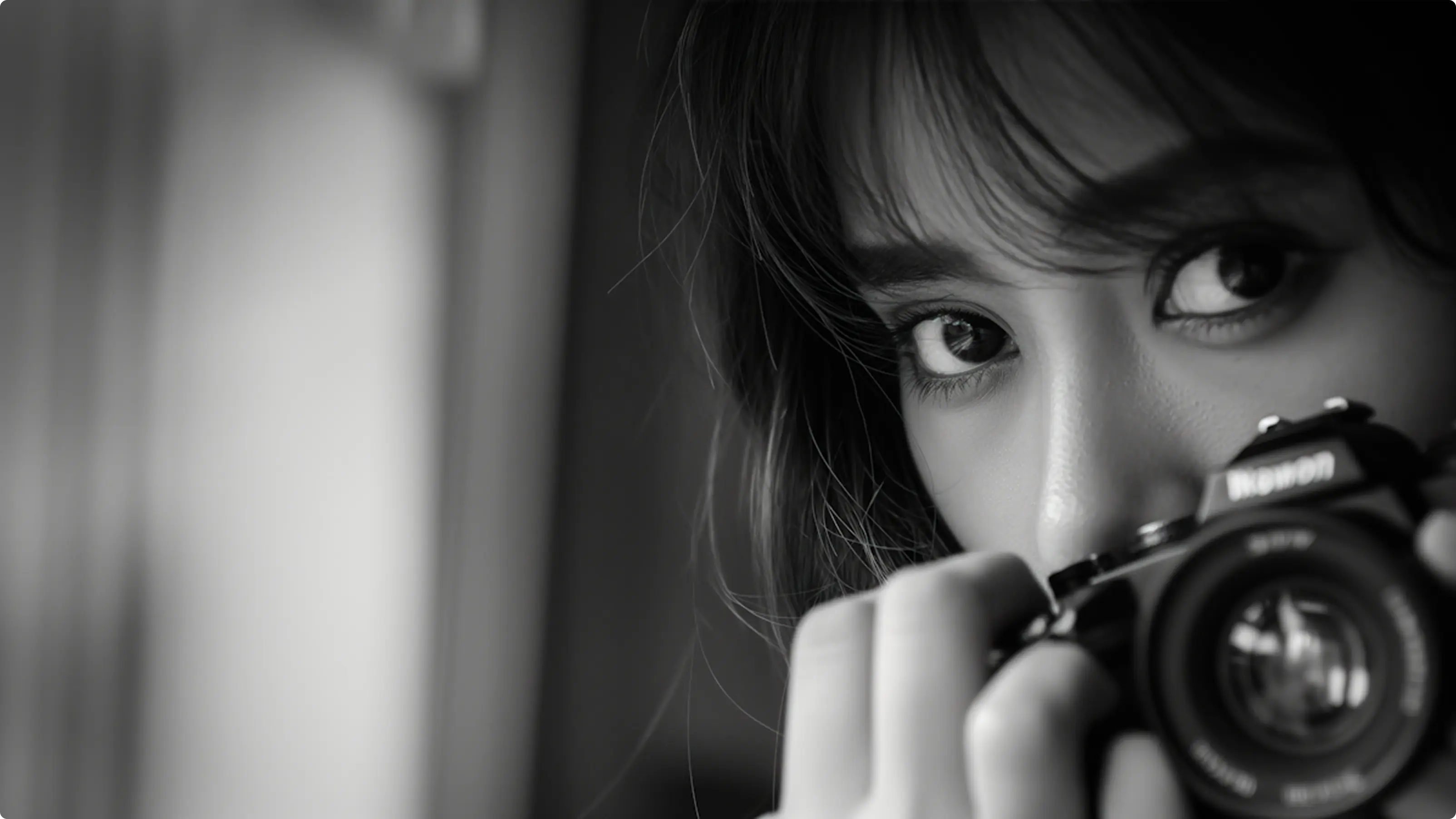
Experimenting with Unconventional Frames
Frames don’t have to be obvious or traditional. Reflections in mirrors, water, or glass surfaces can create unique and captivating framing effects. Shooting through objects like umbrellas, glasses, or textured surfaces adds creativity and visual interest to your photography compositions.
Combining Multiple Framing Techniques
Combining natural frames, leading lines, and layered depth creates complex, visually compelling photographic compositions. Experimenting with multiple techniques challenges your creativity and helps produce images that feel intentional and professional.
Conclusion
Creative framing transforms ordinary photos into compelling visual stories. Using natural frames, layering, leading lines, and experimenting with light, shadow, and reflections gives photographers full control over composition. Practicing these techniques improves storytelling, focus, and overall image impact.
Share:
.png)
.png)
.png)
.png)
.webp)