
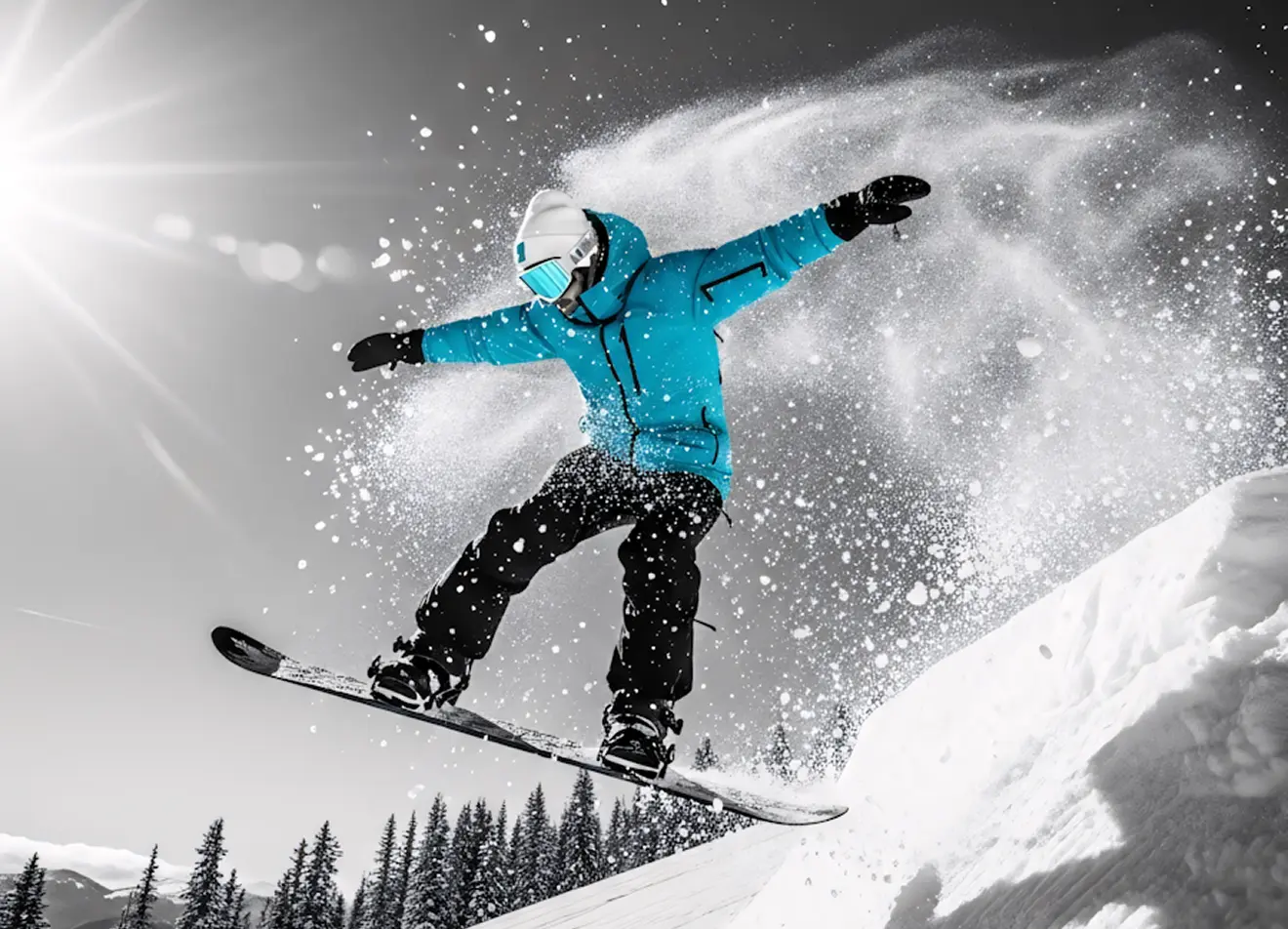
Photography outdoors is a beautiful challenge. Natural light can transform ordinary scenes into breathtaking images, but only when you learn how to harness it effectively. Understanding light direction, intensity, and quality helps photographers capture vibrant, dynamic, and professional outdoor shots.
Understanding the Quality of Light
Not all natural light is the same. Golden hour, right after sunrise and just before sunset, gives you warm, soft light that makes colors pop and casts nice, long shadows. Midday sun, on the other hand, is pretty harsh and can cause strong contrasts and awkward shadows. Knowing how to read the light and pick the right time to shoot means your photos will always look their best.
Working with Direction and Shadows
How light hits your subject totally changes the vibe. Side lighting brings out texture and depth, while backlighting can make cool silhouettes or glowing edges. Play around with shadows to add some drama and depth. Even just shifting your subject a bit or changing your angle can totally change the mood and story of your photo.
Diffusing Harsh Sunlight
When sunlight is too strong, it can wash out colors or create unflattering highlights. Use natural diffusers such as trees, walls, or clouds to soften light. Alternatively, portable reflectors and diffusers help balance shadows and illuminate your subject evenly, producing a polished and professional appearance even in challenging conditions.
Embracing Reflective Surfaces
Surfaces like water, sand, or windows can really boost natural light in cool ways. Placing your subject close to these can add highlights, bounce light into shadows, and make your shots more interesting. Knowing how reflections work with your camera settings helps you keep control over brightness and contrast.
Adjusting Camera Settings for Outdoor Light
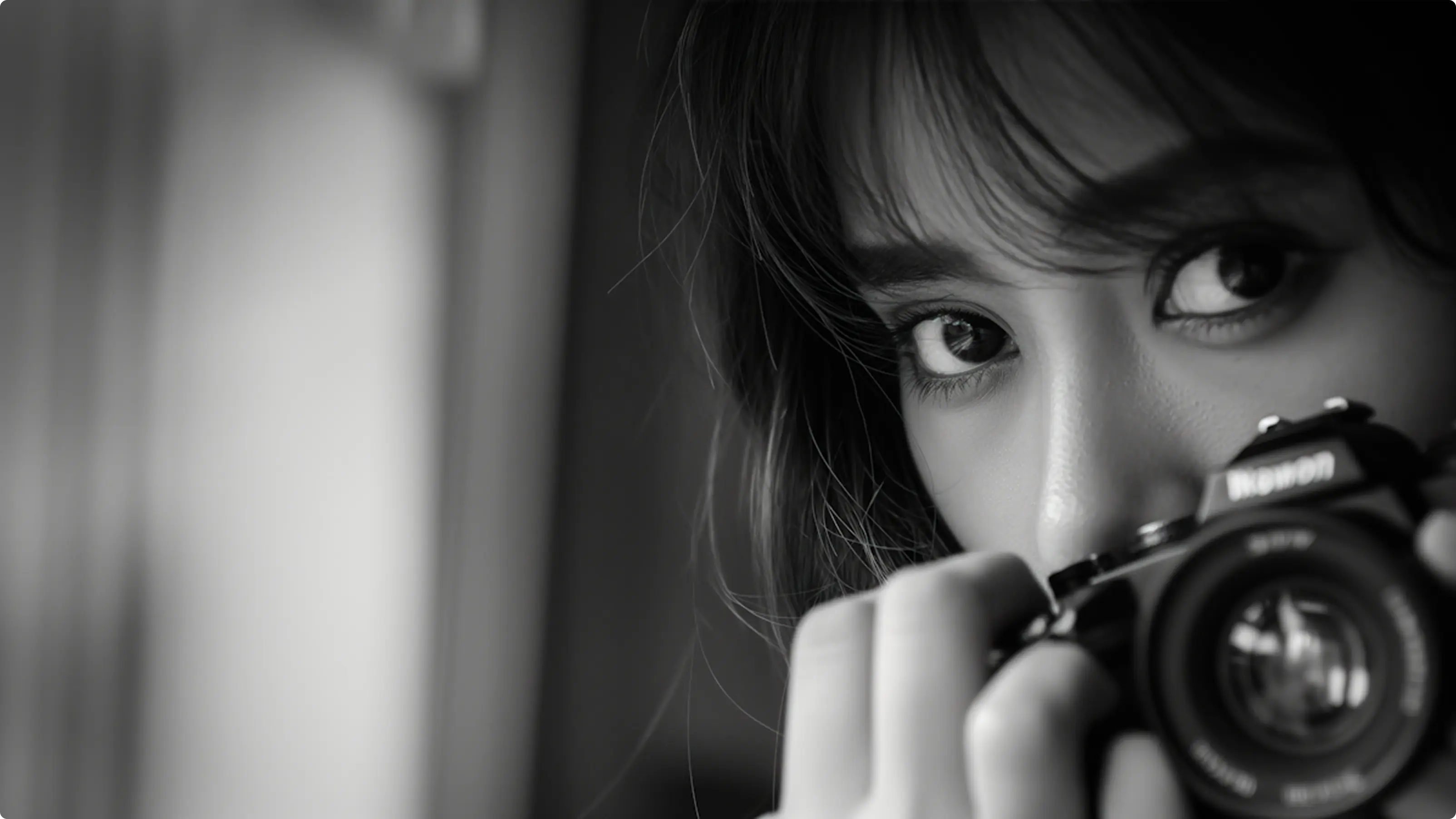
Natural light varies in intensity throughout the day. Adjust aperture, shutter speed, and ISO to maintain proper exposure. Using spot metering on your subject or experimenting with exposure compensation helps prevent blown highlights or underexposed areas. Bracketing exposures is also useful for scenes with extreme contrast.
Planning for Weather and Light Conditions
Cloudy days can be your friend—they act as natural diffusers, producing even, soft lighting perfect for portraits and macro shots. Overcast skies reduce harsh shadows and make colors pop. Conversely, sunny days provide dramatic lighting opportunities but require careful positioning and planning to avoid overexposure.
Conclusion
Mastering natural light transforms outdoor photography. By understanding light quality, direction, shadows, and using tools like diffusers or reflectors, photographers can capture compelling and dynamic images. Practicing intentional light observation helps every outdoor shoot tell a stronger, more visually engaging story.
Share:
.png)
.png)
.png)
.png)
%2520(1).webp)
.webp)
.webp)